If you are chasinng seabass, wrasse, mackerel, cod or sea salmon from the shore or boat, the Nano Sandeel soft lure is a tiny but mighty addition to your tackle box. At just 50 mm and 0.5 g, this eel-imitation micro paddle tail delivers lifelike movement and irresistible action that even cautious predators can’t ignore.
The Nano Sandeel is crafted from high-quality TRP super-stretch material that gives it a soft bite feel—letting fish hold on longer for better hook-ups. Its large paddle tail generates a convincing wiggle on both slow and fast retrieves, while the ribbed body maximises water disturbance to trigger strikes.
Available in multiple colour options—including Silver Glitter Ghost, Phosphorescent for low light, Red Head, and Pear Green Flash—there’s a version for almost every condition and tide.
See it in action: Watch our behind-the-scenes video to learn exactly how the product idea come to life.
Whether you’re new to saltwater soft plastics or looking to up your game with micro-lures, the Nano Sandeel is a versatile and effective choice for predator fishing all year round.
In your next session, try rigging multiples along a weighted line as part of a mackerel feather setup or add one as a kicker lure behind a larger bait. You can even fish them on a fly rod for a unique presentation that mimics small baitfish darting through the water.
This article was brought to you by Fishin Addict fishing lure experts.
If you’re shopping for friends or family who love to fish, this curated gift guide covers every type of angler. Explore the recommendations below and make this holiday season a truly joyful Fishmas.
For the CARPER – Rod Hutchinson Dream Maker Carbon Throwing Stick
The Dream Maker features a sleek, understated matte finish, this stick is crafted from high-modulus 3K carbon, weighing an ultra-light 56g—making it the lightest full-length throwing stick on the market. This drastically reduces arm fatigue, allowing for effortless use over extended periods. With a 24mm outer diameter, it accommodates boilies up to 22mm in size. Combined with its featherlight construction, it ensures precise and effortless bait application, whether at range or up close.
For the PERCHER – NANO CURLY SPLIT TAIL 1.6” / 40mm Drop Shot Jigs Micro Fishing Soft Bait TPR | Perch Pike Panfish | FISHIN ADDICT Multipack
As featured in New Gear section of IYCF magazine issue 397.
‘Super sensitive, they’ll wriggle and twitch with the slightest of movement….well worth getting a few packs in your lure kit’
Increase your catch rate with these realistic soft lures, perfect for the latest craze of drop shotting. Drop Shot fishing is both a simple and extremely effective method of fishing. Floating body also works great on a simple jig head.
For the PIKER – Deluxe Jig Fly 180mm 5g tungsten cheb with extras RED DEVIL and CHARTREUSE ANGEL set of 2
Packed with product plus for a Deluxe Jig Fly – Skull Cap, Weed guard, Tungsten Cheb, Bead Rattle, Jointed Spine with loop for adding stinger hook or twist tail.
The Ultraviolet flashlight can be used for UV glue curing and super charging glow in the dark fishing lures. Aluminium alloy LED light bulb:365nm UV led
Keep all your fishing gear organised and easily accessible with this durable waterproof fishing tackle box. Moulded from extremely durable rigid plastic. This rectangular tackle box is semi transparent for quick viewing of contents. Four secure black latches ensure your gear stays safe during transport and water proof. The interior is 7cm deep with multiple removable compartments of varying sizes. Whether you’re storing hooks, lures, or other fishing accessories, this tackle box provides ample space for all your essentials.
Fishing Robotic Swimming Lure Wobblers For Fishing 4-Segement Swimbait Crankbait USB Rechargeable Flashing LED light Twitching. Auto-Swimming Action: Mechanized, self-propelling lure that mimics real fish movements. Electronically programmed to swim naturally, attracting more fish.
The FISHIN ADDICT Multi-Functional Fishing Pliers are a must-have tool for every angler, especially designed for predator fishing. Whether you’re unhooking large pike, cutting line or braid, or crimping wire trace, these pliers handle it all with ease. Built with high-quality stainless steel, they offer durability, corrosion resistance, and long-lasting performance in tough fishing environments. The anti-slip textured handles ensure a firm grip, while the carry holster with a belt loop provides convenient storage and quick access. The strong spring and lock catch offer ease of use, making these pliers the perfect companion for your fishing adventures.
Whether your angler is into carp, sea-fishing, fly-fishing, or simply loves spending time by the water, this gift guide offers something thoughtful for every type of fisherman. From ultra-light carbon throwing sticks and drop-shot soft baits, to practical multi-tool pliers and tackle boxes — each recommendation has been chosen to enhance their fishing experience and show you understand their passion.
At its heart, giving a fishing-related gift isn’t just about gear — it’s about supporting a hobby, making future trips more enjoyable, and putting a smile on the face of someone who cherishes every cast. So this season, pick a gift that matches their style, and you’ll likely give them something they’ll use — and remember — for many trips to come.
If you’re serious about fishing, you know how quickly gear can become disorganised during a trip. The Fishinaddict Magnet Net Holder with Magnetic Clip is a compact but powerful accessory designed to keep your fishing tools, nets, and accessories within easy reach. Built for coarse and predator anglers, it combines strong magnetic hold with a pro-grade carabiner for reliable, long-lasting performance.
What Is a Magnet Net Holder?
A magnet net holder is a magnetic clip that attaches your fishing net, tools, or accessories to your backpack, or belt loop. It keeps everything organised and easily accessible so you can focus on fishing rather than fumbling for gear.
The Fishinaddict 3.5 kg Magnetic Fishing Clip is crafted from durable aluminium alloy and offers a strong magnetic grip that holds your tools securely, even in rugged wet outdoor conditions.
Tangled nets or misplaced tools slow down any fishing trip. The magnetic clip keeps your gear securely attached to your backpack, or belt loop, freeing your hands and keeping everything within reach.
2. Strong Magnetic Hold
With a holding capacity of up to 3.5 kg (7.7 lbs), this magnet net holder keeps your nets and tools in place, whether you’re bank fishing for pike, lake fishing for carp, or precision fishing with drop-shot rigs.
3. Pro-Grade Carabiner for Quick Access
The included professional-grade carabiner ensures durability and fast attachment or removal of your gear. No more struggling with loops or weak clips — simply hook your accessory and go.
4. Rust-Resistant Durability
Made from premium aluminium alloy, the Fishinaddict Magnet Net Holder resists rust and corrosion, making it ideal for wet conditions and frequent use.
5. Lightweight & Portable
Despite its strong magnetic grip, the holder weighs only 21 grams and has compact dimensions, making it easy to carry without adding bulk to your kit.
Why Choose Fishinaddict’s Magnet Net Holder?
Not all magnet net holders are created equal. Fishinaddict’s version combines:
Superior magnetic strength
Pro-grade carabiner for professional durability
Rust-resistant aluminium alloy
Quick and easy clip-on design
Whether targeting pike, carp, or perch, this small accessory streamlines your setup, making gear accessible and hassle-free.
Attach the magnet net holder to a backpack where you frequently reach for tools, nets. It pairs perfectly with other Fishin Addict accessories for a fully organised, stress-free fishing session — ideal for bank fishing, carp fishing, or quick drop shotting predator trips.
For more tips, techniques, and updates on fishing, be sure to check out other posts on www.fishinaddict.com.
Whether you’re stalking predator species like pike, zander or big perch, choosing the right hook size makes all the difference. Get it wrong and you’ll lose more fish than you land. Get it right and you’ll maximise your strike rate and hooking efficiency. Here’s everything you need to know.
Why Hook Size Matters
A too small hook risks poor hookups, deep swallowing and lost fish.
A too large hook can reduce the natural action of your bait/lure, spook wary fish or simply be overkill.
Predator fishing involves hard strikes, powerful jaws and aggressive target species — so hook strength, gape and matching size matter just as much as size number.
Understanding Hook Sizes
Hook sizing can be confusing:
Hook sizes use two systems: the numbered “#” system (from about #32 to #1, where the smaller the number, the larger the hook), and the “/0” (nought) system (1/0, 2/0, 3/0 … where *the larger the nought number, the larger the hook
So matching your hook size to your bait size, target species and conditions is key.
Suggested Hook Size Guide for Predator Fishing
Target Species & Bait Size
Suggested Hook Size
Why This Works
Smaller predators (perch, smaller zander) using small softbaits or subtle rigs
#6 to #10
Keeps the setup light and natural; ideal for finesse applications.
Medium predators (average pike, typical zander) using medium soft plastics, swimbaits or livebait
1/0 to 2/0
Good balance of gape and strength.
Large predators (big pike, muskie, or big fish sessions) using large baits (deadbait, big swimbaits, large livebait)
3/0 to 6/0 (or more)
Big mouth + strong bite = heavy wire + wide gape needed.
Other Key Considerations
Hook shape/gape: Wide gape hooks give better hooking chances in big predator mouths.
Match to bait/lure size: A large hook on a small bait reduces action; a tiny hook on a big bait might fail under stress.
Water & pressure conditions: In clear water or pressured venues you may favour a slightly smaller hook for subtlety; in rough water or with large baits go bigger.
Rig type matters: The style of rig (deadbait, livebait, soft plastic, swimbait) influences hook size and strength.
Practical Tips for Predator Anglers
Always carry a range of hook sizes — you never know when the bite or bait size changes.
When rigging soft plastics or swimbaits: lay the hook along the bait. The bend should roughly align or slightly exceed the bait’s body size.
For deadbait or large livebait sessions: err on the larger side in both size and wire strength.
Inspect your hooks regularly: check for bends, dull points, corrosion. Predator fish hit hard and test your tackle.
Keep a basic rule: match the hook size to the bite you expect, the bait you use, and the fish you target.
Final Word
Choosing the right hook size is one of the most impactful gear decisions you’ll make when predator fishing. Match your hook size to your bait, know your target species and don’t compromise on strength. With the right hook size on board, you’re giving yourself a much better chance of turning that aggressive strike into a landed trophy.
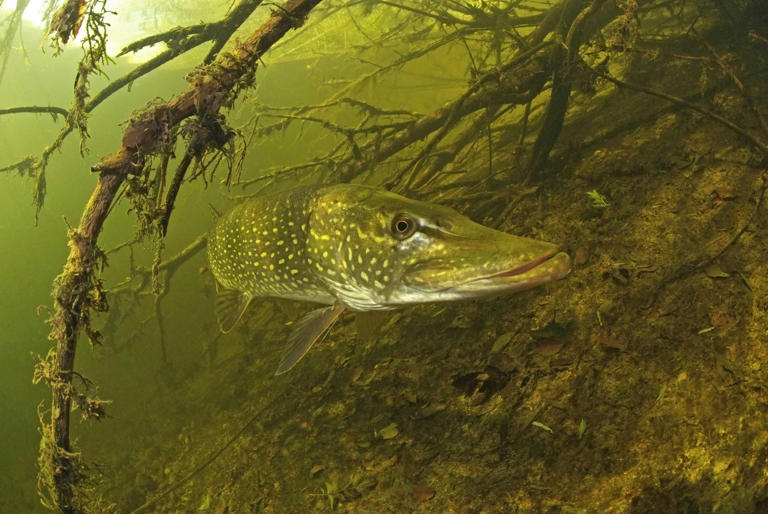
Pike season is well underway and there are toothy predators to be caught up and down the country. These remarkable fish are well adapted to hunting their prey and aren’t as easy to catch as some may have you think.
You might think pike look a bit scary, but learn to handle them safely and you will soon come to love them. A big pike will give you and epic fight, the bites on the float are incredibly exciting and each fish has its own amazing colours and camouflage.
Here then are 10 tips to help you catch a specimen pike…
This is a great and often overlooked way to locate pike. Match anglers will be able to tell you where they’ve had roach snatched from their hooks. In winter, matches will be pegged on prolific silverfish stretches – and the pike won’t be far away.
Strike early
Set your float no more than 12in overdepth and, as soon as the float moves away, strike firmly. If the float is not moving away, but is bobbing about and twitching, the chances are that the pike is sat on the spot engulfing the bait. Tighten up to the rig gently, feeling the mainline in your fingers. If you sense any movement at the other end, or anything untoward, strike firmly. To maximise bite indication when legering, use both a standard bite alarm on the front and a drop-off pike alarm at the rear.
10 Tips to help you catch bigger pike
Fish multiple swims
If there are pike in your swim you’ll get bites fairly quickly. If you haven’t had any action after an hour, move pegs, even if it’s only 100 yards along the bank. When it is warmer, pike will be found in shallow areas such as bays and close to dying weedbeds. As temperatures continue to drop they will start to head into deeper water. To make moving swims easier, carry only the essential items. One rod, a landing net, an unhooking mat and a rucksack carrying your end tackle and unhooking tools, including short and long handled forceps, is all you need.
Look for warmth and cover
On canals, silverfish will begin to shoal up in certain stretches, so target boatyards, marinas, bridge structures, dead arms – anything that offers them cover and warmth. It’s the same story with rivers. Prey fish on large stillwaters will head to deeper water, and pike will be following, so head for dam walls, which always have deep water close by, or even the centre of the lake.
Mount your bait correctly
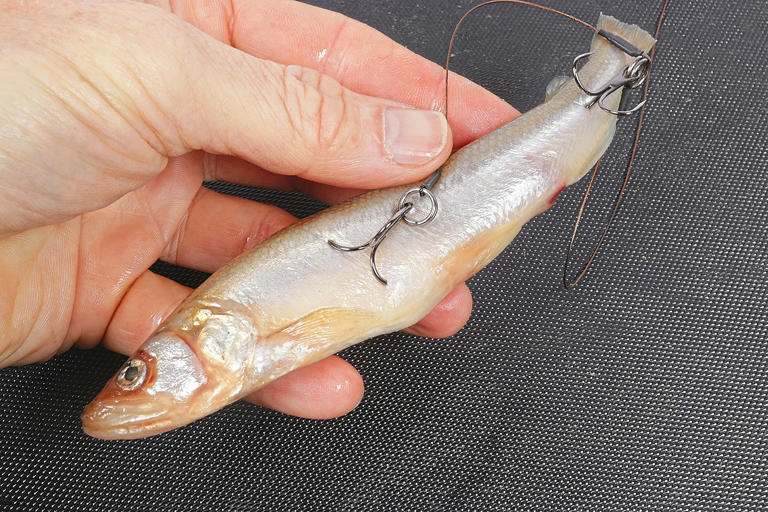
Mounting deadbaits is straightforward, once you have a basic understanding of how the pike feed. They tend to swallow their prey head first, so when mounting them on a standard set of trebles, put the first set in the root of the tail, and the second up the flank of the fish. This also makes them more streamlined for casting.
10 Tips to help you catch bigger pike
Avoid resistance
Pike will quickly drop a bait if they pick it up and feel something is awry. Set-ups that produce minimum resistance will therefore result in more positive bites. A float rig is hard to beat when fishing at distances of less than 50 yards. To fish at longer range you will need a straight leger presentation. Running rigs with a minimum lead of 2oz and a large bore ring will provide excellent bite indication whether a hooked fish swims towards you or away from the bank.
Fresh is best
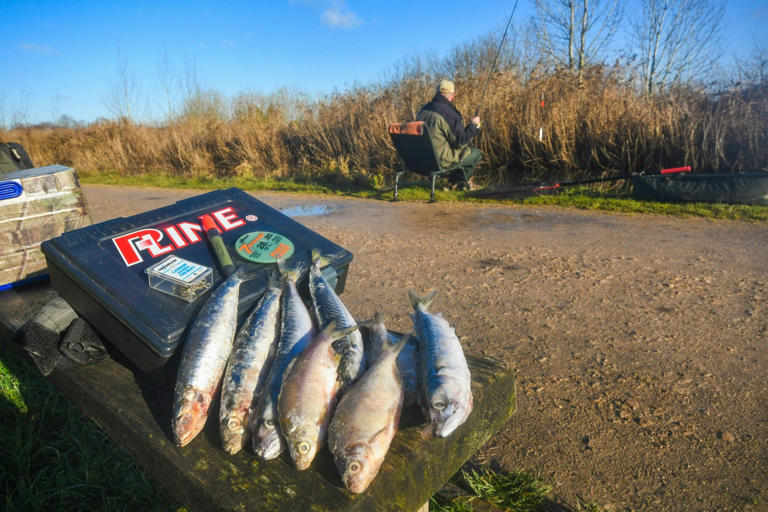
When it comes to maximising the freshness of your bait, the local fishmonger will take some beating. Even in winter all supermarkets stock a selection of sea fish that are cheap and ideal for pike fishing. Sardines are the perfect size to fish whole and are packed full of attractive oils. Their only disadvantage is that they are soft and are likely to come off the hooks if cast more than 30 yards, although you can use bait elastic to prevent this! If you need to fish past this range, try something with a tougher skin such as a mackerel tail.
10 Tips to help you catch bigger pike
Give it a twitch
When you are reeling in, instead of retrieving your deadbait all the way, pick up the rod, strike softly and wind a couple of turns on the reel before putting the rod back in the rest for 10 minutes. This burst of activity will often entice a take.
Add flavour in coloured water
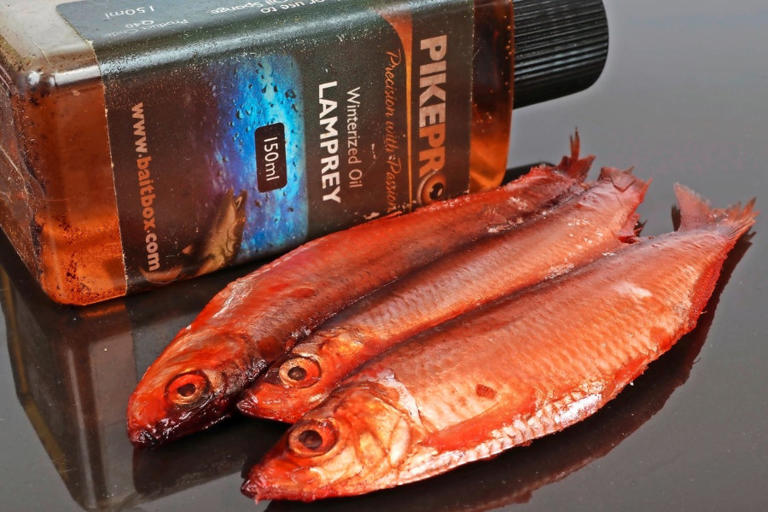
If your chosen venue is still carrying a tinge of colour, boosting your bait with flavours or colour will help to draw pike to your bait. The simplest way to boost your bait is to inject it with oil. Look for ‘winterised’ oils which are thinner and will release attraction and disperse even in the coldest of conditions. When it comes to colours, red is one of the best. Simply brush on red food dye prior to casting.
10 Tips to help you catch bigger pike
Don’t ignore lures
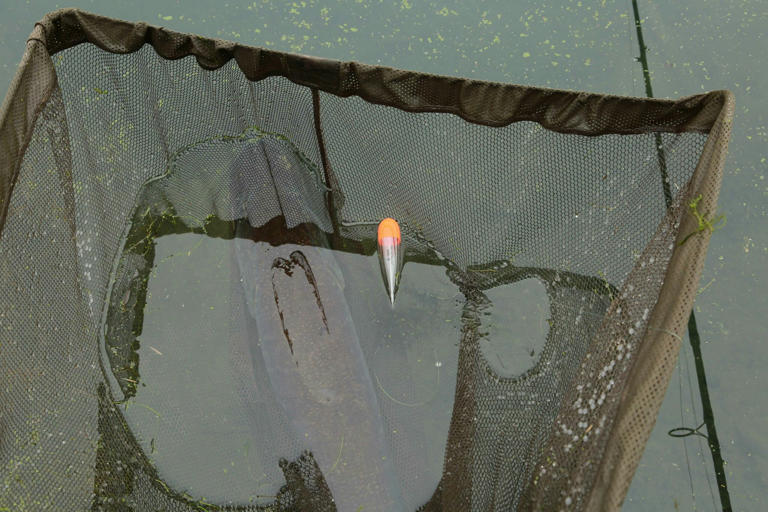
Whilst big pike can sometimes become a bit lazy, don’t rule out tempting them on lures of all shapes, colours and sizes. Carrying a lure rod and a selection of pike lures as well as your deadbait gear can be a real edge, and help you pick up a bonus fish or two. Always use a wire trace, and play around with lures and the style of retrieve to try and tempt a take.
Fishing has always been an activity that balances skill, patience, and intuition. Among the many techniques anglers employ, micro lure fishing has emerged as a fascinating and increasingly popular method. This technique, characterized by using tiny lures to target even the most cautious fish, offers a unique challenge and a rewarding experience for both novice and seasoned anglers alike.#
What Is Micro Lure Fishing?
Micro lure fishing involves using very small artificial baits, often less than an inch in length, to mimic the natural prey of small and medium-sized fish. Unlike traditional fishing, which might use larger lures or live bait, micro lures rely on finesse, subtle movements, and precise presentation to entice fish. This style of fishing is particularly effective for species such as panfish, trout, bass, perch, and even saltwater species in certain conditions.
The Appeal of Micro Lure Fishing
Precision and Skill Micro lure fishing is a true test of an angler’s finesse. Because the lures are tiny, casting requires accuracy and a gentle touch. The subtle action of the lure often triggers strikes from fish that would ignore larger baits.
Targeting Selective Fish Some fish, especially in heavily fished waters, become wary of large lures or obvious baits. Micro lures are less intimidating and more natural, making them perfect for selective or pressured fish.
Versatility Micro lures can be used in a variety of settings—from small streams and ponds to larger rivers and coastal areas. They are also effective year-round, with the choice of lure size, color, and action adjusted to water conditions and fish behavior.
Choosing the Right Micro Lure
When it comes to micro lure fishing, size isn’t the only consideration. The following factors are crucial:
Color: Bright colors can attract attention in murky water, while natural hues work best in clear water.
Action: Lures that mimic the erratic movements of small insects or baitfish tend to provoke more strikes.
Weight: Lightweight lures allow for delicate presentations, ensuring the lure moves naturally in the water.
Type: Micro crankbaits, tiny soft plastics, mini jigs, and micro spoons are all popular options depending on the targeted species.
Techniques for Success
Slow and Steady Retrieval Often, a slow, twitching retrieve mimics the movement of an injured prey, enticing hesitant fish to strike.
Subtle Twitches and Jerks Small, precise motions with the rod tip can make micro lures appear more lifelike.
Reading the Water Understanding where fish are likely to hide—under rocks, near vegetation, or in deeper pools—is essential for placing micro lures effectively.
Using Light Tackle Ultralight rods and thin lines are crucial. Heavy gear can overpower the lure, making it less natural and reducing strike rates.
Why Micro Lure Fishing Is More Than Just Catching Fish
Micro lure fishing is as much about the process as it is about the catch. It encourages patience, observation, and creativity, helping anglers develop a deeper connection with the water and its inhabitants. Many enthusiasts find that the satisfaction of landing a wary trout on a tiny lure surpasses that of catching a larger fish on standard gear.
Conclusion
Micro lure fishing is an art form that combines precision, patience, and strategy. By focusing on subtlety and finesse, anglers can experience the thrill of enticing even the most cautious fish. Whether you’re a dedicated angler seeking a new challenge or someone looking to explore the delicate intricacies of freshwater or saltwater fishing, micro lure fishing offers an engaging and rewarding experience. Small lures, big satisfaction—it’s a world where every cast counts, and every strike feels earned.
When it comes to sea fishing in the UK, many anglers focus on traditional targets like cod and sea bass. However, squid fishing is gaining popularity, offering a unique challenge and the thrill of catching these fascinating cephalopods.
Why Fish for Squid?
Squid are not only fun to catch, but they are also a delicious addition to any seafood platter. Known for their tender texture and mild flavour, they can be prepared in various ways, from grilling to frying. A great source of protein high in vitamins and nutrients including B-12. Plus, their erratic swimming patterns make them an exciting target for anglers.
Best Times and Techniques for UK Squid Fishing
Seasonal Patterns
In the UK, the prime squid fishing season typically runs from late summer to early winter, specifically from August to November. During this period, squid are more active and abundant, especially as they prepare for spawning. Many coastal areas of the UK, winters are relatively mild, especially compared to other parts of Europe. This means that squid can remain active in the waters close to shore.
Increased Activity
During the winter months, squid often move closer to shore as they search for food. This increased activity can make them more accessible to anglers fishing from the beach or piers.
Spawning Seasons and Time of Day
Late autumn to early winter is generally the spawning season for many squid species. During this time, squid become more concentrated in certain areas, making them easier to catch. While squid can be caught throughout the day, they are most active during twilight hours—dawn and dusk. Night fishing is also highly effective, as squid are drawn to artificial lights. Squid are nocturnal hunters, so winter nights provide an excellent opportunity for fishing. The cooler temperatures can make night fishing more comfortable and productive, especially when using artificial lights to attract squid.
Fishing Technique
The retrieval method you use can significantly impact your success. Here are a few techniques to try:
Slow and Steady Retrieve – Start with a slow and steady retrieve, allowing the lure to mimic the natural movement of prey. This technique can entice curious squid to strike.
Jerking Action – Incorporate small jerks into your retrieve to create a more erratic movement. This mimics injured prey and can provoke a strike from nearby squid.
Vary Your Speed – Change up your retrieval speed! Squid are known for their unpredictability, so keep experimenting with different speeds,
Use Depth to Your Advantage – Squid can inhabit various depths, so adjusting the depth at which you’re fishing is crucial. Experiment with different depths until you find where the squid are most active. Consider using a weight or sinking lure to help you reach deeper waters.
Timing is Key
For the best shot at a successful squid catch, target those twilight hours and night-time outings when they’re most active. Don’t underestimate the power of an incoming tide—it can draw squid in closer to shore, giving you a prime opportunity to reel them in!
Pay Attention to Your Surroundings
Keep your eyes peeled for signs of squid in action—watch for surface disturbances or birds diving into the water. These clues can lead you to hot spots where squid are actively feeding, giving you the edge you need for a successful catch!
Stay Patient and Persistent
Squid fishing is a test of patience and perseverance. If the bites aren’t coming, don’t let it get you down! Mix things up with a new lure or technique, and keep experimenting until you strike gold.
Top Locations for Squid Fishing
The UK boasts numerous hotspots for squid fishing, including:
Cornwall: With its rugged coastline and rich marine life, Cornwall is a prime destination for squid anglers.
Scotland: Areas like the Firth of Clyde and the Isle of Skye offer fantastic squid fishing opportunities.
South Coast: Places like Brighton and Portsmouth are known for their productive squid fisheries, especially during the peak season.
Effective Fishing Lures for Squid
Using the right lures can significantly increase your chances of a successful catch. Here are some of the best options:
1. Jigs
Squid jigs are specially designed to mimic the movement of small fish and shrimp, making them irresistible to squid. Look for jigs in vibrant colors like orange, pink, yellow green chartreuse as these tend to attract squid effectively. Glow in the dark, luminous legs, metal bead rattles, and double umbrella hooks are excellent enhancements to increase your chances of a successful catch.
2. Squid Flies
For those looking to add a bit of finesse to their squid fishing, squid flies can be a great option. These flies imitate the natural prey of squid and can be effective when cast from a boat or the shore.
3. LED Lures
The use of LED lures has become increasingly popular among squid anglers. The bright lights attract squid, making them more likely to bite. Look for lures that incorporate motion or flashing lights for added appeal.
Top Tips for Successful Squid Fishing
With the right approach, winter can be a rewarding time for shore-based squid fishing in the UK!.
Dress Warmly: Layer up to stay comfortable in the cold and a head torch.
Use the Right Gear: A light spinning rod paired with a reel that has a smooth drag system is ideal for squid fishing. This setup allows for better control and sensitivity when reeling in your catch. If you’ve got one a net to scoop them up.
Use Bright Lures: Brightly coloured lures are effective in murky winter waters.
Adjust Your Technique: Experiment with different retrieval speeds. Squid can be picky, and varying your speed may entice them to bite.
Pay Attention to the Weather: Overcast days and calm waters tend to yield better results for squid fishing. Keep an eye on local weather conditions before heading out.
Pay Attention to Tides: Fish during incoming tides, which can bring squid closer to shore.
Squid fishing in the UK offers an exciting adventure for anglers looking to diversify their fishing experiences. By understanding the best times to fish and utilising effective lures, you can increase your chances of landing this unique catch. So grab your gear, head to your favorite spot, and get ready for a great time out by the water!
For more tips, techniques, and updates on fishing, be sure to check out other posts on www.fishinaddict.com.
Tight Lines!
Also worth a watch of some action footage by @Fishlocker Sea Fishing for squid
As we step into 2025, a fresh year brimming with opportunities, it’s the perfect time to reflect on the past and look ahead with excitement. Whether you’re a seasoned angler or just dipping your toes into the world of fishing, the start of the year brings renewed hope for exciting adventures on the water.
In the UK, fishing has long been more than just a hobby; it’s a way of life, a source of relaxation, and a means to connect with nature. With the new year comes a chance to set new goals, embrace challenges, and make the most of every opportunity that the fishing season offers.
Wishing You a Successful Fishing Season in 2025
As we wish everyone a very Happy New Year, it’s also an exciting time to set our sights on the upcoming fishing season. The UK offers a diverse range of fishing spots—from peaceful rivers and tranquil lakes to the dynamic coastline. Whether you prefer freshwater fishing in the rolling hills of the Lake District or venturing out for sea fishing along the coast of Cornwall, there are so many incredible locations to explore.
This year, may your fishing trips be filled with joy, big catches, and unforgettable moments. For those with specific goals in mind—whether it’s catching your first monster pike, perfecting your spinning technique, or simply spending more time outdoors—2025 is your year to make it happen!
Fishing New Year’s Resolutions: Ideas for the Year Ahead
New Year’s resolutions are not just about self-improvement in other areas of life, but they can also be applied to fishing. Whether you’re looking to sharpen your skills, try new types of fishing, or explore new locations, here are some ideas for fishing-related resolutions that will help make your 2025 season one to remember.
1. Try a New Fishing Technique
If you’ve been fishing the same way for years, why not spice things up and learn a new technique this year? For example, why not try fly fishing if you’re usually a coarse fisherman? Or, if you prefer freshwater, challenge yourself with some deep-sea angling. The learning curve will be rewarding, and mastering a new technique will only enhance your skills and make fishing even more enjoyable.
2. Explore New Fishing Locations
We all have our favourite fishing spots, but what better time than the start of the year to branch out and discover new areas? In the UK, there are so many hidden gems waiting to be explored, from lesser-known fishing lakes to remote coastal waters. Plan a trip to a new location every season and enjoy the thrill of fishing somewhere new.
3. Focus on Sustainability and Conservation
With increasing awareness about the importance of sustainable practices, this year could be the perfect time to embrace eco-friendly fishing. Make a resolution to use more sustainable tackle, follow proper catch-and-release methods, and respect local fishing regulations. Consider joining a conservation effort or supporting initiatives that protect aquatic habitats and wildlife.
4. Improve Your Casting Skills
One area where many anglers can improve is casting. Whether you’re just learning or looking to refine your skills, becoming a more accurate and efficient caster will drastically improve your fishing experience. You might even consider taking a casting lesson from a local expert to take your technique to the next level.
5. Share Your Passion with Others
Fishing is a wonderful activity to share, whether with friends, family, or fellow anglers. In 2025, make a resolution to bring someone new into the world of fishing. It might be as simple as inviting a friend to join you on a weekend fishing trip or mentoring a beginner. Sharing the love for fishing helps build a community and creates lasting memories.
6. Stay Patient and Mindful
Fishing is as much about patience and mindfulness as it is about catching fish. This year, try to fully embrace the peaceful nature of fishing—whether you’re waiting for a bite or just appreciating the surroundings. Use your fishing time as an opportunity to slow down, clear your mind, and enjoy the calmness of being on the water.
Looking Forward to an Amazing Year
As we head into 2025, let’s take a moment to appreciate the things that fishing gives us—joy, relaxation, and an opportunity to connect with nature. Whether you’re casting your line from a riverbank or on a boat in the open sea, the new year brings endless possibilities.
May your fishing adventures be plentiful, your casts be accurate, and your time on the water be fulfilling. Here’s to a year filled with success, learning, and many great catches! Tight lines to you all, and Happy New Year!
The Drop Shot Challenge: A Day of Fishing Across Three Surrey Venues Chris from Fishin Addict embarks on a fishing mission to catch fish from three very different waters in one day: a canal, a stillwater lake, and a river. Armed with the versatile drop shot technique, Chris aims to tick off his targets while enjoying the thrill of light lure fishing. From the Basingstoke Canal’s perch and signal crayfish to a surprise carp at a local club lake, and finally, a monster perch on the River Wey, it’s a challenge that showcases the power of drop shotting for catching a wide range of species. Read more at https://www.anglingtimes.co.uk/latest-issue/
This article was brought to you by Fishin Addict fishing lure experts. For more tips, techniques, and updates on fishing, be sure to check out other posts on www.fishinaddict.com
Product categories
We noticed you're visiting from Germany. We've updated our prices to Euro for your shopping convenience. Use Pound sterling instead.Dismiss